Sunday, June 3, 2018

Monday: Weeks 1 & 3:

Related image

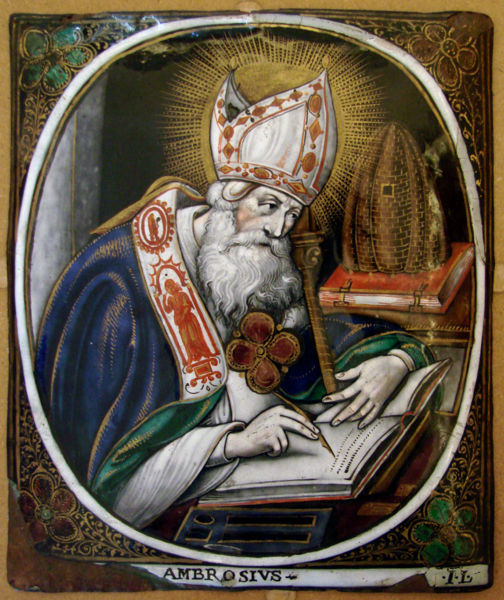
Lauds: St. Ambrose

“It will be asked: ‘In what sort was the Son begotten?’ As one who is forever, as the Word, as the brightness of eternal light, (Hebrews 1:3)  for brightness takes effect in the instant of its coming into existence.” Ambrose de Fid. 1:79

Splendor patérnæ glóriæ, (1)
de luce lucem próferens, (2)
lux lucis et fons lúminis,
diem dies illúminans,

Verúsque sol, illábere
micans nitóre pérpeti,
iubárque Sancti Spíritus
infúnde nostris sénsibus.

Votis vocémus et Patrem,
Patrem perénnis glóriæ,
Patrem poténtis grátiæ,
culpam reléget lúbricam.

Infórmet actus strénuos,
dentem retúndat ínvidi,
casus secúndet ásperos,
donet geréndi grátiam.

Mentem gubérnet et regat
casto, fidéli córpore;
fides calóre férveat,
fraudis venéna nésciat. (3)

Christúsque nobis sit cibus,
potúsque noster sit fides; (4)
læti bibámus sóbriam
ebrietátem Spíritus.

Lætus dies hic tránseat;
pudor sit ut dilúculum, (50
fides velut merídies,
crepúsculum mens nésciat.

Auróra cursus próvehit;
Auróra totus pródeat,
in Patre totus Fílius
et totus in Verbo Pater. Amen.

1)      Heb. 1:3: the brightness of God’s glory;
2)     Nicene Creed: Lumen de lumine; 
3)     the Arian heresy; 
4)     Eucharistic reference;
5)     Faith as pure or modest as the dawn;
Hope as the heat of noon; mind know no darkness.
6)     Totus = dawn, totus = the Son, totus = the Father. 

Radiance of the Father’s glory, bring forth light from light, Light of light and Source of light, Day illuminating day. And true Sun descend upon us, glittering with perpetual glow, ray of the Holy Spirit, pour out upon our thoughts. In prayer we call upon the Father, the Father of endless glory, the Father of powerful glory, take away our devious sin.  Shape our manly deeds, blunt the teeth of the envious one, turn to good our difficulties, grant us the gift to act. May he direct and rule our minds, our bodies keep chaste and faithful, may faith burn bright, and know no venomous deceit. May Christ be our food, faith our drink; let us joyfully drink the Spirit’s sober drunkenness. May this day pass happily; our modesty like dawn, faith enkindled as noonday, the mind ignorant of nightfall.  Dawn in its course advances, may full dawn come: the Son wholly in the Father, the Father wholly in his Word. Amen.


When the Office of Readings is said in the daytime: 18th Century

Ætérna lux, divínitas,
in unitáte Trínitas,
te confitémur débiles,
te deprecámur súpplices.

Summum Paréntem crédimus
Natúmque Patris únicum,
et caritátis vínculum
qui iungit illos Spíritum.

O véritas, o cáritas,
o finis et felícitas,
speráre fac et crédere,
amáre fac et cónsequi.

Qui finis et exórdium
rerúmque fons es ómnium,
tu solus es solácium,
tu certa spes credéntium.

Qui cuncta solus éfficis
cunctísque solus súfficis,
tu sola lux es ómnibus
et præmium sperántibus.

Christum rogámus et Patrem,
Christi Patrísque Spíritum;
unum potens per ómnia,
fove precántes, Trínitas. Amen.

Eternal light, Divinity, Trinity in unity, weak as we are we give you thanks, humbly we pray to you. We believe in the highest Father, the only Son of the Father, and the Spirit, the bond of love which joins them. O truth, O Love, O end of all and happiness, teach us to hope and believe, to love and follow you.  The end and the beginning, you are the source of all things, you alone our consolation, you the certain hope of those who trust in you.  You alone do all things, you alone are sufficient for all things, you the only light for all and only hope for those who hope in you. We ask Christ and the Father and the Spirit of both Christ and the Father, the single power behind all things, assist us as we pray. Amen.

Vespers: St. Gregory the Great?

Imménse cæli cónditor,
qui, mixta ne confúnderent, (1)
aquæ fluénta dívidens,
cælum dedísti límitem,

Firmans locum cæléstibus
simúlque terræ rívulis,
ut unda flammas témperet,
terræ solum ne díssipet:

Infúnde nunc, piíssime,
donum perénnis grátiæ,
fraudis novæ ne cásibus (2)
nos error átterat vetus.

Lucem fides invéniat,
sic lúminis iubar ferat;
hæc vana cuncta térreat,
hanc falsa nulla cómprimant.

1)      Gen.1:7: God divides the waters above and below;
2)     The new fraud is also old =the temptation of Adam;
3)     Lux brings not just physical light but also grace;

Infinite Creator of heaven, you who separated the flowing waters and set a limit to the sky, so that the two not be mixed and confused. Fortifying a place for the heavens and also for the rivers of the earth,  that water might temper heat and the soil of earth not be dried up. Pour now, most holy, into us the gift of endless grace,  that no occasions of new deceit or ancient deception destroy us. May light find faith, thus be supported by the beam of light; so may all vanities be removed, and no falsehood compromise our faith.

Saturday, June 2, 2018

Ss. Corporis et Sanguinis Christi Corrected: Vespers and Lauds


Ad I & II Vesperas: St. Thomas Aquinas

Pange, lingua, gloriósi
córporis mystérium,
sanguinísque pretiósi,
quem in mundi prétium
fructus ventris generósi
Rex effúdit géntium.

Nobis datus, nobis natus
ex intácta Vírgine,
et in mundo conversátus,
sparso verbi sémine,
sui moras incolátus
miro clausit órdine.

In suprémæ nocte cenæ
recúmbens cum frátribus,
observáta lege plene
cibis in legálibus,
cibum turbæ duodénæ
se dat suis mánibus.

Verbum caro panem verum
verbo carnem éfficit,
fitque sanguis Christi merum,
et, si sensus déficit,
ad firmándum cor sincérum
sola fides súfficit.

Tantum ergo sacraméntum
venerémur cérnui,
et antíquum documéntum
novo cedat rítui;
præstet fides suppleméntum
sénsuum deféctui.

Genitóri Genitóque
laus et iubilátio,
salus, honor, virtus quoque
sit et benedíctio;
procedénti ab utróque
compar sit laudátio. Amen.

Sing, O tongue,  the mystery of the glorious body and precious blood,  which, the fruit of a noble womb, the King of nations shed as the price of the world. Given to us, born for us from the Virgin Mary, dwelling in the world, having sprinkled the seed of the word, living among us a short while, in a wondrous order he finished his course. In the night of the last supper, reclining with his brothers, observing the law completely, with the food the law decreed, with his own hands he gave himself as food to the band of twelve. Word made flesh he makes true bread flesh by his word, and makes wine the blood of Christ, even if senses fail to see, faith alone is sufficient to strengthen sincere hearts.  Therefore on bent knee we worship such a great sacrament, and the ancient scripture gives place to a new rite: faith aids what the senses lack.   To the Father and to the Son be praise and exultation, salvation, honor, power and blessing. To the one who proceeds from both equal praise.  Amen.


Ad Officium lectionis: St. Thomas Aquinas

Sacris sollémniis iuncta sint gáudia,
et ex præcórdiis sonent præcónia;
recédant vétera, nova sint ómnia,
corda, voces et ópera.

Noctis recólitur cena novíssima,
qua Christus créditur agnum et ázyma
dedísse frátribus iuxta legítima
priscis indúlta pátribus.

Dedit fragílibus córporis férculum,
dedit et trístibus sánguinis póculum,
dicens: «Accípite quod trado vásculum;
omnes ex eo bíbite».

Sic sacrifícium istud instítuit,
cuius offícium commítti vóluit
solis presbýteris, quibus sic cóngruit,
ut sumant et dent céteris.

Panis angélicus fit panis hóminum;
dat panis cælicus figúris términum.
O res mirábilis: mandúcat Dóminum
servus pauper et húmilis.

Te, trina Déitas únaque, póscimus;
sic nos tu vísitas sicut te cólimus:
per tuas sémitas duc nos quo téndimus
ad lucem quam inhábitas. Amen.

On this holy solemnity may our joy be enjoined and from our inmost hearts praise resound. May the old recede and may all things become new, hearts, voices, deeds. That night at the last supper is recalled,  when, it is believed,  Christ gave to his brothers the lamb and unleavened bread in accordance with the law given to the their fathers in former times. He gave to those weak apostles the food of his body, he gave to the sad the drink of blood, saying “receive this chalice which give, all of yo7u drink from it.” Thus he instituted this sacrifice, which he desired to be  work of priests alone, so it is  right that they receive themselves first and then administer to others.  The bread of angels becomes the bread of men, the heavenly bread which puts an end to types. O how wondrous is this! The poor and lowly servant feeds on his Lord. We beseech you, O triune Deity, that you visit us , as we worship you; direct us on your  paths by which we tend to the light in which you dwell. Amen. 


Ad Laudes matutinas: St. Thomas Aquinas

Verbum supérnum pródiens
nec Patris linquens déxteram,
ad opus suum éxiens
venit ad vitæ vésperam.

In mortem a discípulo
suis tradéndus æmulis,
prius in vitæ férculo
se trádidit discípulis.

Quibus sub bina spécie
carnem dedit et sánguinem,
ut dúplicis substántiæ
totum cibáret hóminem.

Se nascens dedit sócium,
convéscens in edúlium,
se móriens in prétium,
se regnans dat in præmium.

O salutáris hóstia,
quæ cæli pandis óstium,
bella premunt hostília:
da robur, fer auxílium.

Uni trinóque Dómino
sit sempitérna glória,
qui vitam sine término
nobis donet in pátria. Amen.

The heavenly Word coming forth, yet not leaving the Father’s right hand, going out to his work, he came to his life’s evening.   When he was about to be handed over by one of his disciples to death at the hands of his enemies, he first handed over himself as the bread of life to his disciples. To them He gave his flesh and blood under two species that the whole man might be feed  in a double substance. Being born he gave himself as our companion, at the meal he gave himself to be eaten;  dying he gave himself to pay the price, ruling he gives himself as man’s prize. O saving Victim, who opens the gate of heaven, hostile wars oppress us, grant us strength, grant us help. Eternal glory be to the triune Lord: may he grant to us life without end in our fatherland. Amen.


Wednesday, May 23, 2018

Tears, Sign of the Cross, Faith, Hope, Love, and Creeping Things: Friday: Weeks 1 & III

Image result for st gregory the great


When the Office of Readings is said in the daytime: The Venerable Bede

Used in the Mozarabic Breviary.

Adésto, Christe, córdibus,
celsa redémptis cáritas;
infúnde nostris férvidos
fletus, rogámus, vócibus.

Ad te preces, piíssime
Iesu, fide profúndimus;
dimítte, Christe, quæsumus,
factis malum quod fécimus.

Sanctæ crucis signáculo,
tuo sacráto córpore,
defénde nos ut fílios
omnes, rogámus, úndique.

NB: alliteration between Christe and cordibus in the first line, between celsa and caritas in the second, between in-funde and fervidos in the third, and between fletus and vocibus. Manuel pratique de latin médiéval by Dag Norberg (Paris, 1980)

O Christ, the heavenly love which redeems, be present in our hearts; fill our voices, we pray, with fervent tears. Most holy Jesus, to you we faithfully pour forth prayers; forgive, O Christ, we beseech you, the evil deeds we have done. By the sign of the holy Cross, by sacred body, we ask, defend us all as sons in very circumstance.


Lauds: The 7th-8th Century:
Walpole: This is the hymn for Lauds on Fridays at ferial seasons. This hymn is alphabetic. Notice that the C-stanza is duplicated and that the alphabetic sequence does not go beyond T ; The Latin alphabet contained 23 letters and the redoubling of particular lines is common in these acrostic hymns. The revised version does not entirely preserve the acrostic pattern.

Ætérna cæli glória, (1)
beáta spes mortálium,
celsi Paréntis Unice
castæque proles Vírginis,

Da déxteram surgéntibus,
exsúrgat et mens sóbria
flagrans et in laudem Dei
grates repéndat débitas.

Ortus refúlget lúcifer (2)
ipsámque lucem núntiat,
cadit calígo nóctium, (3)
lux sancta nos illúminet, (4)

Manénsque nostris sénsibus
noctem repéllat sæculi (5)
omníque fine témporis (6)
purgáta servet péctora.

Quæsíta iam primum fides (7)
radícet altis sénsibus, (8)
secúnda spes congáudeat;
tunc maior exstat cáritas.

1.       The hymn is addressed to Christ ; gloria and spes are vocatives. The thought in this line
seems to be that of Christ as the subject of the praises sung by the heavenly choirs.
2.      Lucifer morning star, not sun, as is usually the case.
3.      Noctem ‘of night’ not ‘of the night just past’.
4.      Here begins the spiritual application of the hymn.
5.      ‘the night of the world’ the darkness of sin.
6.      ‘preserve from any close of day’
7.      The three theological virtues.
8.     Radicet ‘take root’


Eternal glory of heaven, blest hope of mortal men, Only-begotten of the Father, offspring of a chaste Virgin: give your right hand to those who are rising, let a sober mind arise, anxious to praise God and give him the thanks he is due. The morning star rising and shining announces the Light himself, the cloud of night falls, may holy light shine upon us. Abiding upon our senses may this light drive away the night of the world and until the end of time purify and preserve our hearts. Seek first the faith which is rooted in our minds; second let hope rejoice; then stands love, the greater virtue.

Vespers: St. Gregory the Great ?

Appointed for Vespers on Friday, based on Gen. i. 24-31, the sixth day of creation.

Plasmátor hóminis, Deus, (1)
qui, cuncta solus órdinans,
humum iubes prodúcere
reptántis et feræ genus; (2)

Qui magna rerum córpora, (3)
dictu iubéntis vívida, (4)
ut sérviant per órdinem
subdens dedísti hómini:

Repélle a servis tuis
quicquid per immundítiam (5)
aut móribus se súggerit,
aut áctibus se intérserit.

Da gaudiórum præmia,
da gratiárum múnera; (6)
dissólve litis víncula, (7)
astrínge pacis fœdera.

1.       Plasmator ‘creator’ ‘maker’.
2.      ‘the race of the creeping thing and of the beast’
3.      Contrasts the great bulk of beasts with their subservience to men.
4.      Dictu ‘at the bidding’
5.      This hymn rather unkindly views these creatures as unclean.
6.      Gratiarum ‘of grace’ as often plural for singular.
7.      ‘Free from the power of strife’.


O God, the fashioner of man, who alone orders all things, you command the earth to bring forth creeping things and wild beasts. By word of your command the huge animals have life that you might subdue and give them to man to serve him according to their order. Drive from your servants whatever is unclean, which either seduces our habits or inserts itself in our actions, grant the rewards of gladness, give the gift of grace, loosen the chains of strife, strengthen the bonds of peace.